What Is Soft Washing and When Is It Needed?
Featured Answer: What Is Soft Washing?
Soft washing is a professional exterior cleaning method that uses low-pressure water combined with specialized cleaning solutions to remove dirt, algae, mildew, mold, organic growth, and other buildup from exterior surfaces. Unlike traditional pressure washing, which relies heavily on water pressure to remove contaminants, soft washing allows the cleaning solution to do much of the work.
At Stanley Window Care, we use exterior cleaning methods based on the surface being cleaned and the type of buildup present. Soft washing is particularly useful for roofs, stucco, siding, painted surfaces, and other materials that may be damaged by excessive water pressure.
The primary advantage of soft washing is control. Instead of attacking a delicate surface with high-pressure water, we can address organic buildup while reducing unnecessary stress on the material underneath.
How Does Soft Washing Work?
Soft washing combines low-pressure water application with cleaning solutions designed to loosen and remove exterior contaminants. The solution is applied to the affected area and given appropriate time to work on the buildup. The surface can then be carefully rinsed using substantially less pressure than would normally be associated with conventional pressure washing.
This approach is especially effective when exterior discoloration is caused by biological or organic growth rather than ordinary loose dirt.
Dark streaks on a roof, green growth on siding, discoloration on stucco, and buildup in shaded or damp areas are examples of conditions where simply spraying the surface with water may not provide the desired result.
Instead, the cleaning process targets the material responsible for the staining and buildup.
What Is the Difference Between Soft Washing and Pressure Washing?
Although soft washing and pressure washing are both used for exterior cleaning, they are not interchangeable.
Pressure washing primarily depends on the physical force of pressurized water. It can be highly effective on durable surfaces capable of handling that pressure, including certain concrete, masonry, and hardscape areas.
Soft washing takes a different approach. The cleaning solution provides much of the cleaning action, allowing the technician to use lower water pressure.
The appropriate method depends heavily on the material.
A concrete driveway, for example, can generally tolerate considerably more pressure than a roof or painted exterior surface. Applying the same pressure to both would be unnecessary and could potentially damage the more delicate material.
Professional exterior cleaning therefore involves more than choosing between “high” and “low” pressure. We consider the surface material, age, existing condition, type of contamination, surrounding landscaping, drainage, and other site-specific factors before determining how an area should be cleaned.
When Is Soft Washing Needed?
Soft washing is typically needed when an exterior surface requires cleaning but high-pressure washing could create an unnecessary risk of damage.
It can also be appropriate when the primary problem is organic growth that benefits from treatment rather than mechanical force alone.
Common situations include:
- Roof cleaning involving dark streaks, algae, and organic buildup
- Stucco cleaning where excessive pressure may damage the finish
- Exterior house washing involving siding or painted surfaces
- Mildew and algae removal from shaded exterior areas
- Cleaning surfaces with persistent organic staining
- Washing older exterior materials that require a gentler approach
- Cleaning around architectural details where aggressive pressure is inappropriate
The presence of dirt alone does not automatically mean soft washing is necessary. The cleaning method should always match the material and condition of the property.
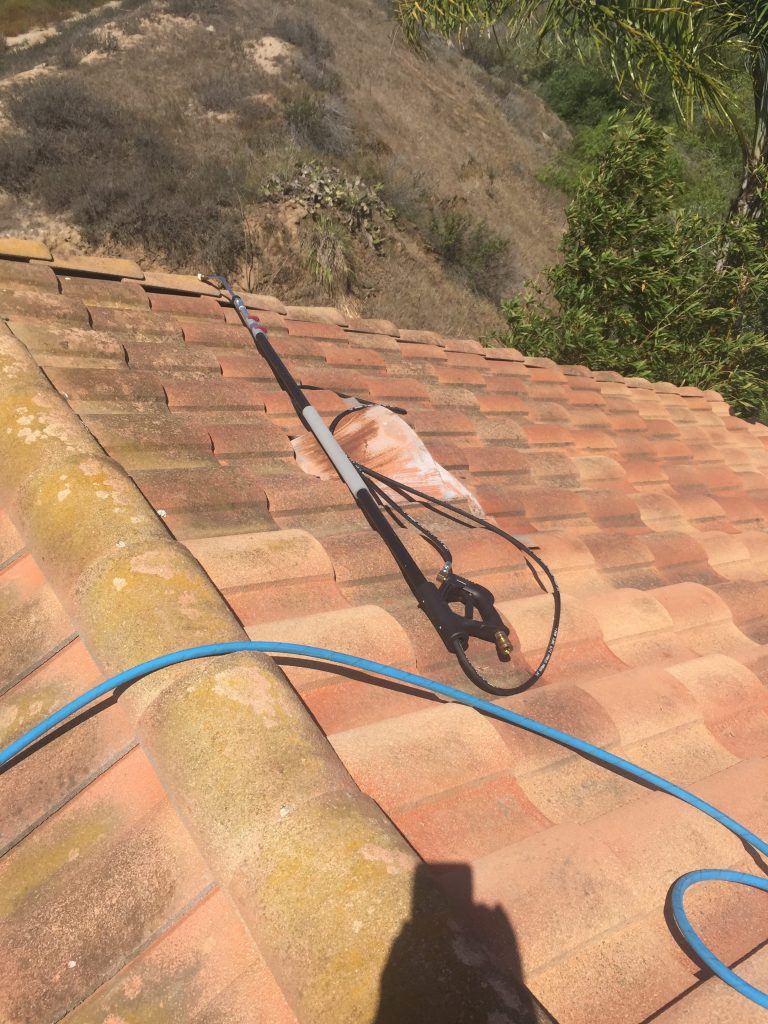
Why Soft Washing Is Often Used for Roof Cleaning
A roof is one of the clearest examples of a surface where more pressure is not necessarily better.
Roofing materials are designed to protect a home from weather, but that does not mean they should be subjected to concentrated high-pressure water. Improper cleaning techniques can potentially disturb roofing materials, force water into vulnerable areas, or cause unnecessary wear.
That is why professional roof soft washing focuses on treating unwanted buildup without depending on aggressive pressure.
Dark roof streaks and discoloration can develop gradually, particularly in areas that remain damp or receive limited sunlight. Algae and other organic material may become increasingly noticeable as the buildup spreads.
A properly selected roof-cleaning process addresses that contamination while accounting for the condition and type of roofing material.
Is Soft Washing Safe for Stucco?
Soft washing can be an excellent option for stucco exterior cleaning because stucco requires a controlled approach.
Stucco may develop dirt, algae, mildew, staining, and environmental buildup over time. Areas near landscaping, sprinklers, roof drainage, and shaded sections of a home can be particularly susceptible to discoloration.
Using excessive pressure on stucco can create problems, especially when the surface already contains cracks, deterioration, loose material, or compromised areas.
We therefore inspect the exterior before cleaning and adjust the process accordingly.
Low-pressure exterior cleaning allows us to remove buildup without treating stucco like a concrete driveway.
Soft Washing for Exterior House Cleaning
A home’s exterior is made up of multiple materials, and those materials rarely require exactly the same cleaning technique.
One property might include stucco walls, painted trim, stone accents, exterior glass, concrete walkways, roof materials, and decorative architectural features. A professional house-washing service should account for these differences.
Soft washing can be particularly valuable for the main exterior surfaces because it allows us to address widespread dirt and organic growth while maintaining greater control over water pressure.
This is important around windows, doors, vents, exterior fixtures, painted areas, and other locations where indiscriminate high-pressure spraying may not be appropriate.
At Stanley Window Care, our goal is not to use the strongest cleaning method possible. We use the method appropriate for the surface and the condition we encounter.
What Types of Buildup Can Soft Washing Remove?
Soft washing is particularly useful for exterior surfaces affected by organic and environmental buildup.
Depending on the surface and condition, professional soft washing may help address:
Algae: Green, brown, or dark growth can become noticeable on siding, stucco, roofs, and shaded exterior surfaces.
Mildew and mold-related exterior growth: Damp areas with limited sunlight can provide favorable conditions for unwanted surface growth.
Dirt and grime: Airborne dust and environmental debris gradually settle onto exterior surfaces.
Roof streaking: Dark streaks can significantly change the appearance of a roof and may be associated with biological growth.
General exterior discoloration: Weather exposure, moisture, vegetation, and environmental contaminants can cause surfaces to look dull or uneven.
The exact cleaning process depends on what is causing the discoloration and what material is underneath it.
Can Soft Washing Damage a Home?
Any exterior cleaning process can cause problems when performed incorrectly.
Soft washing reduces reliance on high water pressure, but that does not mean every surface should be treated with the same solution, concentration, dwell time, or rinsing procedure.
Professional application matters.
Before cleaning, we consider surface condition, nearby plants, windows, painted areas, metal components, drainage, roofing materials, and other sensitive features.
Existing deterioration is another important consideration. Loose paint, damaged stucco, failing seals, deteriorated roofing materials, or other pre-existing defects can affect how an area should be approached.
This is one reason professional exterior cleaning should begin with an assessment rather than automatically applying the same process to every property.
How Long Do Soft Washing Results Last?
There is no universal timeline because exterior surfaces are continuously exposed to the environment.
The length of time a property remains clean can be affected by:
- Amount of direct sunlight
- Shade from trees and structures
- Moisture levels
- Irrigation and sprinkler overspray
- Nearby vegetation
- Coastal exposure
- Roof drainage
- Surface material
- Previous buildup
- Seasonal weather conditions
A sunny exterior wall that dries quickly may remain visually clean differently from a shaded north-facing section surrounded by landscaping.
Regular maintenance can prevent exterior buildup from reaching the point where it becomes especially noticeable or difficult to address.
Soft Washing vs. Power Washing: Which Does Your Home Need?
The answer depends on what needs to be cleaned.
Durable hard surfaces may benefit from controlled pressure washing, while roofs, stucco, siding, painted areas, and other sensitive surfaces may call for a lower-pressure method.
In many cases, a property benefits from a combination of techniques.
For example, a complete exterior cleaning project might involve soft washing the home’s exterior while using an appropriate pressure-washing method on selected hardscape areas.
The important distinction is that professional cleaning should not be based on a single machine setting.
We adjust the process according to the material in front of us.
Signs Your Property May Need Soft Washing
Exterior buildup often develops gradually. Because homeowners see their properties every day, changes can become significant before they are especially noticeable.
Common signs that it may be time for professional exterior cleaning include green or dark staining, roof streaks, dingy stucco, visible algae, mildew-like buildup, discoloration beneath rooflines, and shaded areas that remain dirty after normal rinsing.
You may also notice one side of the home becoming dirty faster than another.
This is normal because sunlight, moisture, wind, landscaping, irrigation, and surrounding structures create different conditions around a property.
When discoloration repeatedly returns to the same damp or shaded areas, the issue may involve organic growth rather than loose surface dirt.
Why Southern California Homes Can Develop Exterior Buildup
Southern California’s climate does not eliminate the need for exterior cleaning.
Homes throughout South Orange County are exposed to dust, landscaping debris, irrigation, coastal conditions, moisture, pollen, airborne contaminants, and periods of damp weather.
Properties near the coast may experience different conditions than homes farther inland. Shaded landscaping can also create pockets of moisture even during otherwise dry weather.
Communities such as Laguna Beach, Newport Beach, Newport Coast, Corona del Mar, Dana Point, San Clemente, Laguna Niguel, Mission Viejo, Ladera Ranch, Coto de Caza, Costa Mesa, and surrounding South Orange County areas contain a wide range of exterior materials and architectural styles.
The correct cleaning method should account for those differences rather than treating every property identically.
Should You Soft Wash Before Having Your Windows Cleaned?
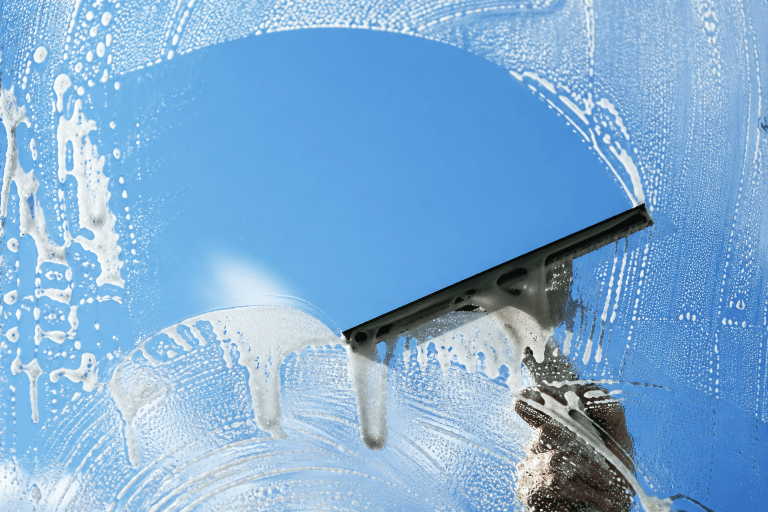
When homeowners are scheduling multiple exterior cleaning services, coordinating house washing and professional window cleaning can produce a more complete finished appearance.
Cleaning exterior walls may loosen dirt and debris that reaches nearby glass. For that reason, the order in which services are performed can matter.
When exterior cleaning and window cleaning are part of the same maintenance project, we can coordinate the work so that the finished property looks clean as a whole rather than addressing each surface independently.
This can be particularly helpful for homes with large amounts of exterior glass, upper-story windows, glass doors, skylights, and architectural windows.
How Often Should a House Be Soft Washed?
There is no fixed schedule that works for every home.
Some properties develop visible buildup faster because they have heavy landscaping, extensive shade, irrigation overspray, nearby trees, coastal exposure, or surfaces that remain damp longer.
Rather than cleaning solely according to a calendar, we recommend paying attention to the condition of the exterior.
When green growth, dark staining, mildew-like buildup, or significant discoloration becomes visible, it may be time to have the surface evaluated.
Routine exterior maintenance can also help prevent buildup from becoming excessive.
Can Homeowners Soft Wash Their Own Houses?
Consumer exterior-cleaning equipment is widely available, but successful soft washing involves more than purchasing a sprayer and cleaning solution.
The operator needs to understand surface compatibility, dilution, application, dwell time, rinsing, runoff, plant protection, personal safety, ladder safety, and the limitations of the material being cleaned.
Roof cleaning creates additional concerns because working at height introduces serious fall hazards.
Using an inappropriate chemical concentration can damage plants or exterior finishes, while incorrect water application can send moisture into areas where it does not belong.
For larger homes, roofs, second-story areas, delicate surfaces, or substantial organic buildup, professional service can eliminate much of that uncertainty.
Professional Soft Washing in South Orange County
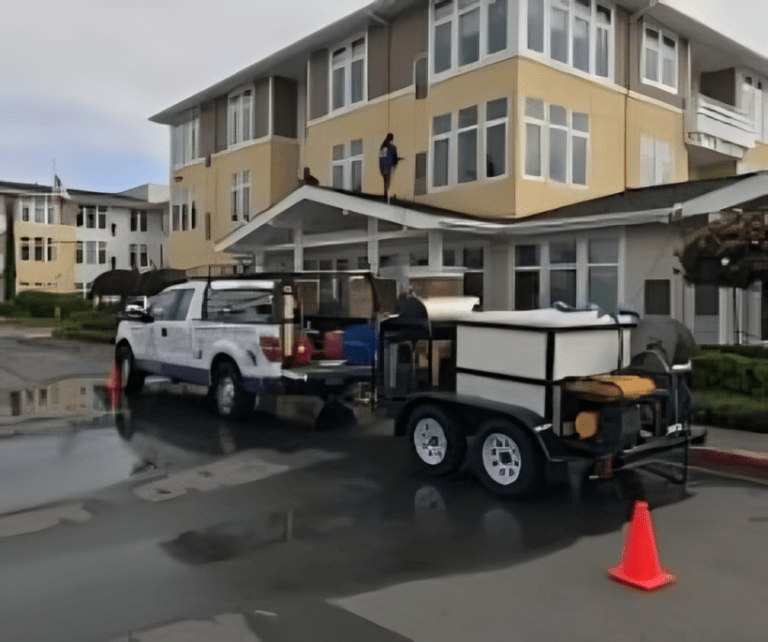
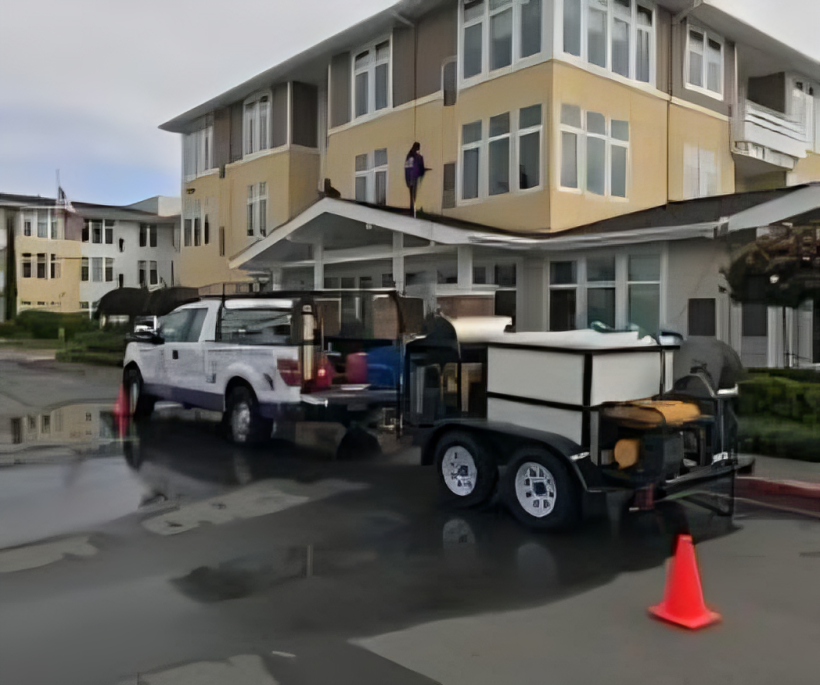
At Stanley Window Care, we have served homeowners since 1997, providing professional exterior cleaning services with careful attention to the surfaces and properties we work around.
Our services include window cleaning, exterior house washing, pressure washing, roof soft washing, solar panel cleaning, glass restoration, awning cleaning, chandelier cleaning, and other specialty exterior cleaning services.
We understand that an exterior cleaning project is not simply about removing visible dirt. It is about selecting a cleaning method appropriate for the property.
When lower pressure is the better choice, we use a controlled approach designed around the surface rather than forcing the surface to withstand unnecessary pressure.
Frequently Asked Questions About Soft Washing
Is Soft Washing the Same as Pressure Washing?
No. Soft washing relies on low-pressure water and cleaning solutions, while pressure washing relies more heavily on the mechanical force of pressurized water. Each method has appropriate applications.
Is Soft Washing Good for Roofs?
Soft washing is commonly used for roof cleaning because it can address organic buildup without relying on aggressive high-pressure washing. The appropriate procedure still depends on the roofing material and its condition.
Can You Soft Wash Stucco?
Yes, stucco is one of the exterior surfaces that may benefit from a controlled low-pressure cleaning method. Existing cracks, damage, paint, and surface condition should be evaluated before cleaning.
Does Soft Washing Remove Algae?
Soft washing is particularly useful for algae and other organic exterior buildup because the cleaning process treats the contamination instead of relying solely on water pressure.
Does Soft Washing Use Chemicals?
Professional soft washing typically uses cleaning solutions selected for the contamination and surface involved. Proper dilution, application, plant protection, and rinsing are important parts of the process.
Can Soft Washing Remove Roof Streaks?
Depending on what is causing the discoloration, professional roof soft washing can be used to treat the organic growth associated with many common dark roof streaks.
Is Soft Washing Better Than Pressure Washing?
Neither method is universally better. The correct method depends on the surface. Soft washing is particularly valuable for surfaces requiring lower pressure, while controlled pressure washing can be appropriate for durable hard surfaces.
Schedule Professional Soft Washing With Stanley Window Care
When your home’s exterior develops algae, dark streaks, mildew-like growth, dirt, or persistent discoloration, simply increasing water pressure is not always the best solution.
Professional soft washing provides a more controlled approach for many exterior surfaces by combining appropriate cleaning solutions with lower water pressure.
At Stanley Window Care, we evaluate the surface first and determine the cleaning method that fits the property. Whether your home needs roof soft washing, exterior house washing, pressure washing, professional window cleaning, or a combination of exterior cleaning services, our focus is on delivering a thorough result while treating your property with care.
We are a family-owned company serving South Orange County since 1997, with decades of experience caring for residential properties throughout the region.
If your roof, stucco, siding, windows, or surrounding exterior surfaces are beginning to show visible buildup, professional cleaning can help restore a cleaner, brighter appearance while using a method suited to the material.
Contact Stanley Window Care to schedule professional soft washing and exterior cleaning in South Orange County.