How Often Should Awnings Be Professionally Cleaned?
Awnings provide valuable protection from sunlight, enhance the appearance of residential and commercial properties, and create comfortable outdoor spaces. However, constant exposure to dust, airborne pollutants, moisture, bird droppings, and environmental debris can gradually affect their appearance and condition. Without regular maintenance, awnings may develop stubborn stains, discoloration, mildew, and accumulated grime that become increasingly difficult to remove.
Professional awning cleaning is an important part of exterior property maintenance, particularly in Southern California, where prolonged sun exposure, coastal moisture, seasonal winds, and airborne dust can affect outdoor materials throughout the year.
At Stanley Window Care, we understand the importance of maintaining clean, attractive exterior surfaces. Since 1997, we have served homeowners and businesses throughout Orange County, California, providing professional exterior cleaning services that help maintain the appearance and condition of their properties.
Whether your property features retractable fabric awnings, stationary canvas awnings, decorative entrance coverings, or large commercial awnings, establishing an appropriate cleaning schedule can help protect your investment.
Featured Answer: How Often Should Awnings Be Professionally Cleaned?
Most residential awnings benefit from professional cleaning every 6 to 12 months, while commercial awnings may require cleaning every 3 to 6 months. Awnings exposed to heavy dust, coastal moisture, tree debris, bird droppings, or significant environmental pollution may need more frequent attention. Regular removal of loose debris between professional cleanings helps prevent stubborn buildup. The ideal cleaning frequency depends on the awning material, location, environmental exposure, manufacturer recommendations, and the amount of accumulated dirt.
In Orange County, California, homeowners should inspect their awnings periodically and consider professional cleaning at least once annually, adjusting the schedule according to the property’s conditions.
Why Regular Professional Awning Cleaning Is Important
Awnings are continuously exposed to outdoor conditions, making them particularly vulnerable to accumulated contaminants. Unlike interior surfaces, outdoor awnings cannot be completely protected from windblown dust, rainwater, organic debris, and airborne pollutants.
Over time, these contaminants can settle into fabric fibers, accumulate along seams, and collect around frames and attachment points.
Regular professional awning cleaning offers several important benefits.
Maintains the Appearance of Your Property
Clean awnings contribute to an attractive, well-maintained exterior. Dirty or stained awnings can make an otherwise beautiful home or commercial building appear neglected.
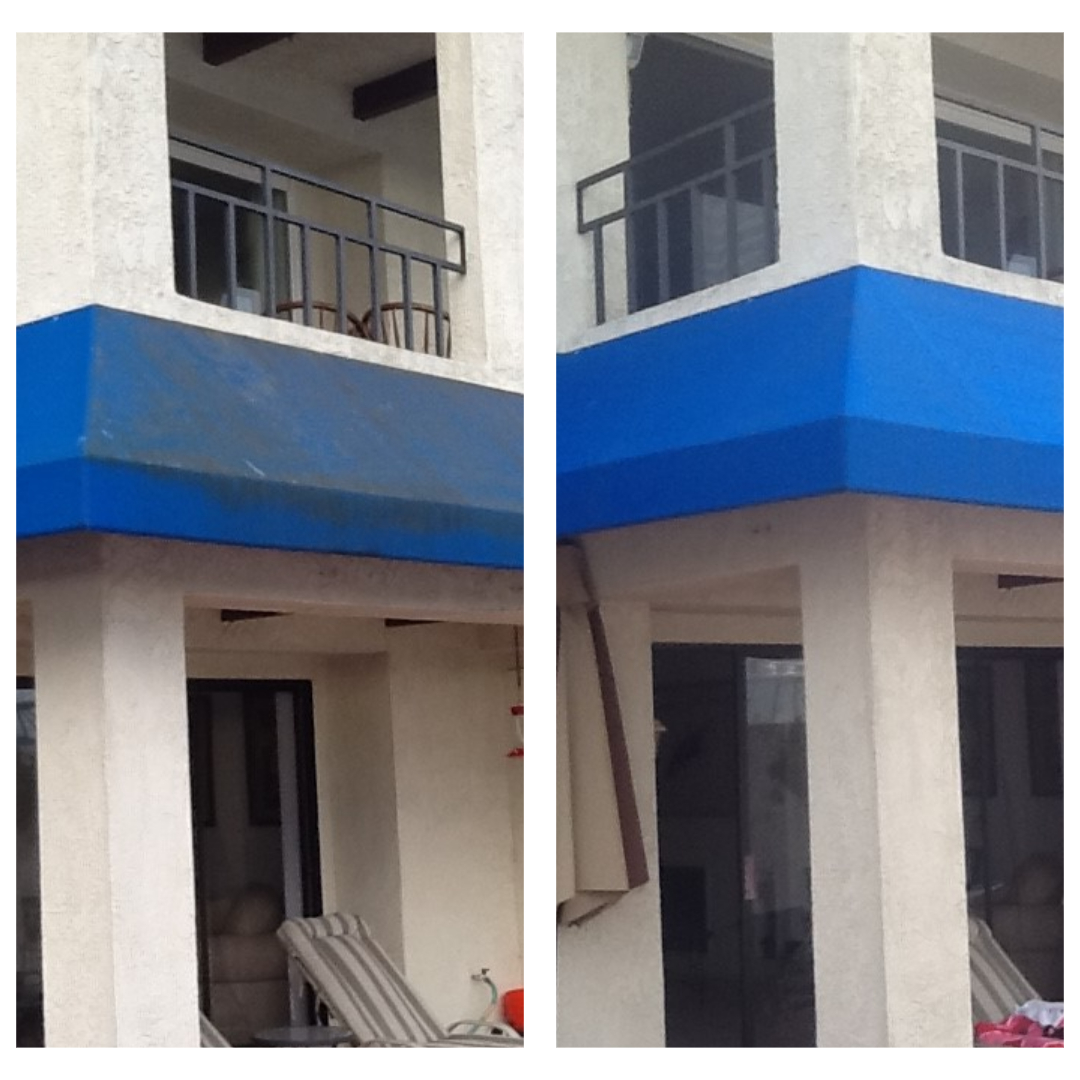
Professional cleaning helps remove surface contamination that can cause fabric and vinyl awnings to look dull, faded, or discolored.
For homeowners in Newport Beach, Irvine, Laguna Beach, Dana Point, and surrounding Orange County communities, maintaining clean exterior features is an important part of preserving curb appeal.
Helps Preserve Awning Materials
Accumulated dirt and organic debris can hold moisture against awning surfaces. Depending on the material and environmental conditions, prolonged moisture exposure may contribute to mildew, staining, and deterioration.
Routine cleaning removes contaminants before they become deeply embedded or difficult to address.
However, cleaning cannot reverse permanent UV fading, deteriorated coatings, weakened fabric, or structural damage.
Reduces Mold and Mildew Buildup
Outdoor awnings exposed to moisture and organic debris may develop mold or mildew growth.
These conditions are especially common in shaded areas where surfaces remain damp for extended periods.
Professional cleaning using products appropriate for the awning material can help remove surface growth and associated contamination.
Supports Long-Term Awning Maintenance
Awnings represent an investment in both appearance and outdoor comfort.
Consistent maintenance may help reduce unnecessary wear associated with accumulated debris, inappropriate cleaning methods, and neglected surface contamination.
At Stanley Window Care, we recommend incorporating awning cleaning into a regular exterior property maintenance schedule.
Recommended Awning Cleaning Frequency by Type
Different awning materials and installations require different maintenance schedules.
The following recommendations provide general guidelines for residential and commercial properties.
| Awning Type | Recommended Professional Cleaning |
|---|---|
| Residential fabric awnings | Every 6–12 months |
| Canvas awnings | Every 6–12 months |
| Retractable awnings | Every 6–12 months |
| Vinyl awnings | Every 6–12 months |
| Commercial storefront awnings | Every 3–6 months |
| Restaurant awnings | Every 3–6 months |
| Coastal property awnings | Every 3–6 months when exposure warrants |
| Awnings beneath trees | Every 3–6 months |
| Heavily soiled awnings | As needed following inspection |
These intervals are maintenance recommendations rather than universal requirements. Manufacturer instructions should always take priority, especially for specialty fabrics and coated materials.
How Often Should Residential Awnings Be Cleaned?
For most homes, professional residential awning cleaning every 6 to 12 months provides a practical starting point.
Residential awnings commonly protect patios, windows, decks, outdoor kitchens, and seating areas from direct sunlight.
Although these installations may experience less traffic-related contamination than commercial awnings, they remain exposed to environmental conditions throughout the year.
Patio Awning Cleaning
Patio awnings frequently collect dust, pollen, leaves, bird droppings, and other outdoor debris.
Awnings positioned near landscaping or beneath trees may require more frequent cleaning because organic material can accumulate along the fabric and seams.
We recommend inspecting patio awnings every few months and scheduling professional cleaning when noticeable contamination develops.
Window Awning Cleaning
Window awnings help reduce direct sunlight entering a property while contributing to its architectural appearance.
Because these awnings are often installed above windows and exterior walls, they may collect runoff, dust, and airborne pollutants.
Cleaning window awnings alongside professional window cleaning can be a convenient way to coordinate exterior maintenance.
Retractable Awning Cleaning
Retractable awnings require particular attention because their fabric is repeatedly extended and rolled into a housing.
Dirt, moisture, and debris should not be allowed to accumulate excessively before the awning is retracted.
Retractable awnings should generally receive professional cleaning every 6 to 12 months, with routine inspections and light maintenance between services.
The fabric should be allowed to dry thoroughly before long-term retraction, following manufacturer recommendations. If an awning must be temporarily retracted while wet because of weather conditions, it should be extended to dry as soon as conditions safely permit.
How Often Should Commercial Awnings Be Professionally Cleaned?
Commercial awnings generally benefit from professional cleaning every 3 to 6 months, although businesses exposed to heavy traffic, grease, dust, or other contaminants may require more frequent service.
Commercial awnings are often prominent exterior features that display business names, provide shade, and protect entrances.
Dirty awnings can negatively affect the appearance of a storefront, restaurant, hotel, or office building.
Storefront Awning Cleaning
Retail storefront awnings may accumulate vehicle exhaust residue, airborne dirt, dust, and debris.
Businesses located near busy roads or parking areas may notice buildup more quickly.
We recommend evaluating storefront awnings quarterly and adjusting the cleaning schedule according to visible contamination.
Restaurant Awning Cleaning
Restaurant awnings can require more frequent cleaning because of airborne cooking residue, grease, and increased pedestrian activity.
Awnings positioned near kitchen exhaust outlets may develop sticky contamination that attracts additional dirt.
Cleaning frequency should be based on the type of material, degree of exposure, and manufacturer’s maintenance requirements.
Hotel and Hospitality Awning Cleaning
Hotels, resorts, and hospitality properties frequently use decorative awnings to create welcoming entrances and outdoor gathering areas.
These installations contribute to the property’s overall appearance and may require scheduled maintenance throughout the year.
For high-visibility commercial properties, quarterly or semiannual cleaning may be appropriate.
How Often Should Awnings Be Cleaned in Orange County, California?
Orange County’s climate creates several environmental conditions that can influence awning maintenance.
Although Southern California experiences relatively mild weather, outdoor awnings remain exposed to sunlight, dust, moisture, and seasonal weather changes.
The most appropriate cleaning schedule depends partly on the property’s location.
Coastal Awning Cleaning in Newport Beach, Laguna Beach, and Dana Point
Properties near the Pacific Ocean may experience exposure to salt-containing airborne moisture, marine aerosols, humidity, and windblown debris.
Salt deposits can accumulate on exposed surfaces and may contribute to corrosion of susceptible metal components.
Fabric and vinyl awnings can also collect moisture and airborne contaminants.
For coastal properties, we recommend inspecting awnings frequently and considering professional cleaning every 3 to 6 months when environmental buildup is significant.
Homes farther from direct ocean exposure may require less frequent service.
Awning Cleaning in Irvine and Mission Viejo
Inland Orange County communities can experience seasonal winds, dust, pollen, and prolonged periods of dry weather.
Awnings installed near landscaped areas may collect leaves, pollen, and organic debris.
For many residential properties in Irvine and Mission Viejo, professional cleaning every 6 to 12 months may be sufficient.
However, homes near construction activity, heavily traveled roads, or dusty open areas may require more frequent attention.
Awning Cleaning in Laguna Niguel and Coto de Caza
Residential properties surrounded by mature landscaping may experience additional exposure to leaves, tree sap, bird droppings, and organic debris.
Awnings positioned beneath trees should be inspected regularly.
Organic material left on awning fabric can retain moisture and contribute to staining.
Professional cleaning every 6 months may be appropriate for awnings with persistent debris accumulation.
What Happens If You Do Not Clean Your Awnings Regularly?
Neglecting awning maintenance can lead to several problems that become more difficult to address over time.
Stubborn Dirt and Surface Stains
Dust and airborne contaminants can accumulate within fabric textures and along seams.
When dirt remains on an awning for extended periods, it may become more difficult to remove through ordinary maintenance.
Mold and Mildew Growth
Awnings that remain damp or collect organic debris may develop mold or mildew.
Shaded locations with limited airflow are particularly vulnerable to persistent moisture.
Prompt cleaning and proper drying help reduce conditions that support recurring growth.
Discoloration and Dull Appearance
Accumulated pollutants can make awnings appear darker, stained, or uneven in color.
Some discoloration is removable through appropriate cleaning, while fading caused by sunlight or material deterioration may be permanent.
Premature Material Wear
Debris trapped around seams, moving components, and retractable mechanisms may interfere with proper operation.
Abrasive particles can also contribute to surface wear when fabric is repeatedly folded or moved.
Regular inspection and cleaning help identify potential maintenance concerns before they become more serious.
Can You Pressure Wash an Awning?
Pressure washing is not recommended for many fabric and canvas awnings because excessive water pressure can damage fibers, stitching, protective coatings, and seams.
Some durable awning materials may tolerate controlled low-pressure rinsing, but the appropriate method depends on the manufacturer’s instructions.
High-pressure cleaning can cause several problems, including:
- Fabric stretching or distortion.
- Damage to waterproof or water-repellent coatings.
- Separation of seams.
- Fraying of weakened material.
- Water intrusion into enclosed components.
- Damage to printed graphics or decorative finishes.
At Stanley Window Care, we recognize the importance of selecting cleaning techniques that are compatible with the material being serviced.
Soft washing or gentle manual cleaning may be more appropriate for certain awnings, provided that the cleaning solution and application method are approved for the specific fabric or coating.
Not all soft-washing chemicals are safe for awning materials. Strong oxidizers and unsuitable detergents may damage color, finishes, or protective treatments.
How Do Professionals Clean Fabric Awnings?
Professional fabric awning cleaning generally involves a series of careful steps designed to remove contamination while minimizing the risk of material damage.
The exact procedure depends on the manufacturer’s instructions and the condition of the awning.
1. Inspecting the Awning Material
Before cleaning, the awning should be evaluated for visible damage, loose stitching, deteriorated coatings, discoloration, and weakened fabric.
An inspection helps determine whether cleaning can be performed safely.
2. Removing Loose Debris
Leaves, loose dust, and other surface debris are removed using methods appropriate for the fabric.
Gentle brushing may be suitable for some materials, while delicate or aging fabrics may require a different approach.
3. Selecting an Appropriate Cleaning Solution
Cleaning products should be compatible with the awning’s fabric, protective coatings, and decorative finishes.
Many awning manufacturers recommend mild cleaning solutions rather than harsh household chemicals.
4. Gently Cleaning the Surface
Approved cleaning methods are used to loosen and remove accumulated contaminants.
The amount of agitation should be controlled to avoid damaging fabric fibers or coatings.
5. Rinsing and Removing Residue
Where the material permits rinsing, cleaning residue should be removed thoroughly.
Residual detergents can attract dirt or leave visible marks.
6. Allowing the Awning to Dry
Proper drying is essential, particularly for retractable awnings.
Fabric should be allowed to dry thoroughly before extended storage or retraction whenever practical.
How Often Should Canvas Awnings Be Cleaned?
Canvas awnings typically benefit from professional cleaning every 6 to 12 months, depending on exposure and material condition.
Traditional cotton canvas, acrylic awning fabrics, and other woven materials may have different cleaning requirements.
Some modern awning fabrics are manufactured with water-repellent treatments or specialized finishes that require specific care.
Aggressive scrubbing and unsuitable chemicals may compromise these treatments.
We recommend identifying the awning manufacturer and material before selecting a cleaning method.
How Often Should Vinyl Awnings Be Cleaned?
Vinyl awnings generally benefit from cleaning every 6 to 12 months, with more frequent attention in environments exposed to grease, heavy dust, or airborne pollutants.
Vinyl-coated materials may resist certain types of contamination differently from woven fabrics, but they still require regular maintenance.
Dirt can accumulate along seams, textured surfaces, and edges.
Cleaning should follow the manufacturer’s instructions to avoid damaging coatings, printed graphics, or protective finishes.
Can Professional Awning Cleaning Remove Mold and Mildew?
Professional cleaning can often remove surface mold, mildew, and associated staining from awnings when the material is suitable for treatment.
However, the outcome depends on the type of contamination, how deeply it has penetrated, and the condition of the awning.
Some stains may remain even after surface growth has been removed.
Repeated moisture exposure can also cause contamination to return.
We recommend addressing contributing conditions such as trapped moisture, accumulated organic debris, and poor drying.
For awnings with extensive contamination or deteriorated fabric, replacement may be more appropriate than aggressive cleaning.
Does Regular Awning Cleaning Extend the Life of an Awning?
Regular cleaning may help support awning longevity by reducing the accumulation of contaminants that contribute to staining, moisture retention, and unnecessary wear.
However, awning lifespan depends on several additional factors, including:
- Fabric quality and construction.
- UV exposure.
- Weather conditions.
- Installation quality.
- Mechanical wear.
- Cleaning products and techniques.
- Frequency of use.
- Manufacturer-recommended maintenance.
Professional cleaning cannot eliminate natural aging or prevent all weather-related deterioration.
Nevertheless, maintaining clean surfaces and inspecting awnings regularly can help homeowners identify problems early.
What Are the Signs Your Awning Needs Professional Cleaning?
Homeowners and property managers should watch for several common indicators that cleaning is needed.
Visible dirt buildup: Dust and grime are noticeable across the fabric or along the edges.
Dark spots or discoloration: Black, green, or brown staining may indicate organic contamination, pollutants, or other residue.
Bird droppings: Accumulated droppings can leave stubborn stains and should be removed promptly using appropriate methods.
Tree sap: Sticky deposits can attract additional dirt and may require material-specific cleaning.
Persistent dampness: Areas that remain wet for extended periods may require attention to drainage, ventilation, or accumulated debris.
Loss of visual appeal: Awnings that appear noticeably dull or dirty compared with their original condition may benefit from professional cleaning.
If these signs develop before the next scheduled service, earlier cleaning may be appropriate.
How Much Does Professional Awning Cleaning Cost?
The cost of professional awning cleaning varies depending on the size, material, condition, and accessibility of the installation.
Factors that influence pricing include:
- Awning size: Larger installations generally require more cleaning time and materials.
- Fabric type: Specialty fabrics may require additional care or manufacturer-approved products.
- Degree of contamination: Heavy staining, grease, or organic buildup can increase cleaning complexity.
- Installation height: Elevated awnings may require additional access equipment.
- Awning design: Retractable systems and complex structures may require careful handling.
- Number of awnings: Properties with multiple installations may have different pricing considerations.
- Accessibility: Landscaping, narrow walkways, and architectural features can affect the work involved.
At Stanley Window Care, we recommend obtaining a personalized estimate based on the property’s specific needs.
Providing photographs and approximate dimensions can help communicate the scope of the cleaning project.
Should Awnings Be Cleaned Before or After the Rainy Season?
Both periods can be appropriate for awning maintenance.
Cleaning Before the Rainy Season
Cleaning before periods of increased rainfall helps remove accumulated dust, leaves, and organic debris.
This may reduce the amount of material that retains moisture on the awning surface.
It also provides an opportunity to inspect the awning for visible wear or drainage concerns.
Cleaning After the Rainy Season
Cleaning after seasonal rainfall can help remove dirt, organic residue, and staining that accumulated during wet weather.
For Southern California properties, scheduling awning cleaning during spring or early summer may be convenient.
However, homeowners should not delay cleaning when heavy contamination is already present.
Can Awning Cleaning Be Combined With Window Cleaning?
Yes. Coordinating awning cleaning with window cleaning can be an efficient approach to exterior property maintenance when both services are available.
Awnings are frequently installed directly above windows, glass doors, and storefront entrances.
Cleaning an awning before washing the windows beneath it can help prevent dirty runoff from affecting freshly cleaned glass.
For properties requiring multiple exterior services, an organized cleaning sequence may include awnings, surrounding exterior surfaces, and windows.
At Stanley Window Care, we understand the value of coordinated exterior maintenance for homeowners and commercial property managers.
Professional Awning Cleaning in Orange County, CA
Maintaining clean awnings is an important part of preserving the appearance of homes and commercial properties throughout Southern California.
At Stanley Window Care, we have served Orange County since 1997, providing professional cleaning services with an emphasis on careful workmanship and customer satisfaction.
Our South Orange County service area includes:
- Irvine, CA
- Newport Beach, CA
- Laguna Beach, CA
- Laguna Niguel, CA
- Dana Point, CA
- Mission Viejo, CA
- San Clemente, CA
- Corona del Mar, CA
- Coto de Caza, CA
From residential patio awnings to commercial storefront coverings, routine maintenance can help protect the appearance of exterior features exposed to Southern California’s environmental conditions.
We encourage property owners to establish cleaning schedules based on their awning materials, exposure levels, and maintenance requirements.
Frequently Asked Questions About Professional Awning Cleaning
Is It Necessary to Professionally Clean Awnings Every Year?
For many residential properties, annual professional awning cleaning is a practical maintenance schedule. Awnings exposed to heavy dust, tree debris, moisture, or pollutants may require cleaning every three to six months.
Can You Clean an Awning Without Removing It?
Yes. Many awnings can be cleaned while installed, depending on their construction, accessibility, and manufacturer instructions. Some installations may require specialized access or additional precautions.
What Is the Best Time of Year to Clean Awnings?
Spring and early summer are popular times for exterior cleaning, but awnings can be cleaned whenever weather conditions and material requirements permit. Cleaning should be scheduled when the awning can dry properly.
Will Professional Cleaning Remove Black Stains From Awnings?
Some black stains can be removed through appropriate cleaning methods. Results depend on whether the discoloration is caused by surface dirt, mildew, pollutants, or permanent material deterioration.
How Often Should Retractable Awnings Be Professionally Cleaned?
Most retractable awnings benefit from professional cleaning every 6 to 12 months, although heavily exposed installations may require more frequent service.
Can Pressure Washing Damage Awning Fabric?
Yes. Excessive pressure can damage fabric fibers, stitching, seams, and protective coatings. Many fabric awnings require gentle cleaning methods rather than conventional high-pressure washing.
How Often Should Restaurant Awnings Be Cleaned?
Restaurant awnings commonly benefit from professional cleaning every three to six months. Installations exposed to cooking grease or significant airborne contamination may need more frequent maintenance.
Can Professional Awning Cleaning Prevent Mold?
Regular cleaning can help remove organic debris and surface contamination that contribute to conditions favorable for mold growth. However, preventing recurring growth also requires proper drying and moisture management.
Does Awning Cleaning Restore Faded Colors?
Cleaning may improve the appearance of colors obscured by dirt and grime, but it cannot reliably reverse permanent fading caused by ultraviolet radiation or deterioration of the fabric.
Should I Clean My Awning Before Selling My Home?
Cleaning exterior awnings before listing a property can improve curb appeal and help present the home as well maintained. It may be especially beneficial when preparing for real estate photography or open houses.
How Do I Know If My Awning Needs Cleaning or Replacement?
An awning with surface dirt, mild staining, or removable contamination may benefit from professional cleaning. Fabric with significant tears, brittle areas, deteriorated coatings, or structural damage may require repair or replacement.
Do Window Cleaning Companies Offer Awning Cleaning Services?
Some professional window cleaning companies also provide awning cleaning and other exterior maintenance services. Homeowners should confirm that the company has experience with their specific awning material and uses appropriate cleaning methods.
Schedule Professional Awning Cleaning With Stanley Window Care
Most residential awnings should be professionally cleaned approximately every 6 to 12 months, while commercial awnings often benefit from cleaning every 3 to 6 months. Properties exposed to coastal conditions, heavy dust, tree debris, or significant environmental contamination may require more frequent attention.
Maintaining a consistent cleaning schedule helps preserve the appearance of awnings, reduces accumulated contaminants, and supports responsible exterior property maintenance.
At Stanley Window Care, we understand how important clean exterior surfaces are to the overall appearance of a home or business. With a history of serving Orange County since 1997, we are committed to helping property owners maintain attractive, well-cared-for properties.
Whether you need residential awning cleaning in Irvine, patio awning cleaning in Newport Beach, or commercial awning cleaning in Laguna Beach, we encourage you to discuss your property’s specific cleaning requirements with our team.
Contact Stanley Window Care today to request a professional awning cleaning estimate in Orange County, California.