
How to Remove Oil Stains, Mold, and Mildew with Pressure Washing
Oil stains, mold, and mildew are persistent contaminants that not only tarnish the appearance of exterior surfaces but can also compromise the structural integrity of concrete, wood, brick, and siding. At our pressure washing company, we specialize in professional cleaning solutions tailored to eliminate these stubborn elements safely and effectively. Here’s our comprehensive guide to removing them with precision and care.
Understanding the Power of Pressure Washing
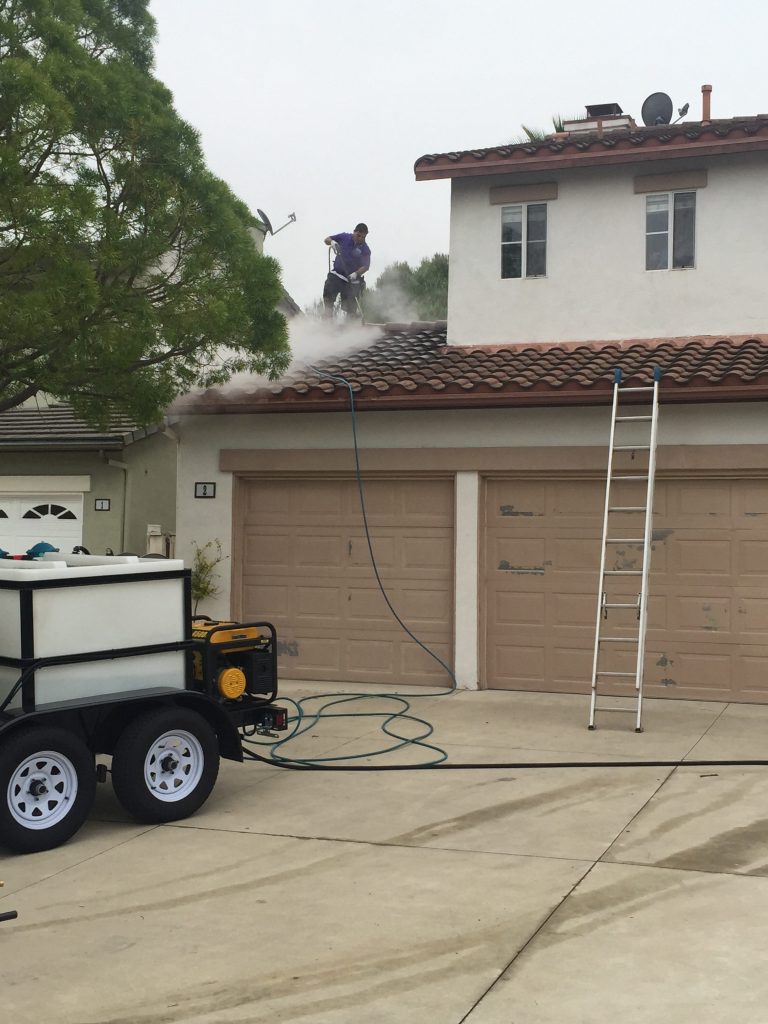
Pressure washing utilizes highly pressurized water to clean and restore surfaces. When used correctly, it can lift deep-set contaminants and break down chemical residues. Different materials require different techniques, and our team applies carefully calibrated pressure levels for safe and efficient cleaning.
Step-by-Step: Removing Oil Stains from Driveways and Concrete
Identify the Type of Oil Stain
Oil stains vary—motor oil, transmission fluid, cooking grease—all behave differently. Each requires a specific cleaning approach. We first identify the stain type to choose the correct solvent or degreaser.
Absorb Excess Oil
Before applying pressure, we blot and absorb as much oil as possible using:
- Kitty litter
- Baking soda
- Commercial absorbent granules
This step ensures that the oil doesn’t spread further during cleaning.
Apply a Degreasing Agent
We saturate the area with a high-quality, biodegradable degreaser formulated for concrete. This penetrates the porous surface, breaking down the hydrocarbons embedded in the substrate.
Agitate and Let It Sit
We gently scrub the area with a stiff-bristled brush, then allow the degreaser to dwell for 10–20 minutes, depending on the severity.
Pressure Wash with Hot Water
Using a hot water pressure washer (ideally over 180°F), we rinse the surface in even, overlapping passes. The combination of heat and pressure dissolves the oil and flushes it out completely.
Pro Tip: For tough, set-in stains, we repeat the process with an enzymatic cleaner that continues to break down residue at the molecular level.
Safely Eliminating Mold from Siding and Walls
Inspect for Mold vs. Dirt
We differentiate between surface dirt and mold. Mold usually appears as green, black, or brown patches and tends to reappear in shaded or damp areas. It’s essential to kill the roots, not just wash away the surface.
Pre-Treat with a Mold Inhibitor
Before pressure washing, we apply a mildewcide or mold inhibitor solution. These solutions penetrate porous surfaces and neutralize fungal growth.
Recommended treatments include:
- Sodium hypochlorite-based cleaners
- Hydrogen peroxide-based alternatives for eco-sensitive areas
Low-Pressure Washing for Siding
High pressure can damage vinyl, wood, or fiber cement siding. We apply a soft washing technique:
- Low PSI (typically under 1000)
- Wide spray pattern
- Gentle, downward angle to avoid water intrusion
We rinse the solution thoroughly, ensuring all chemical residues are removed to prevent future mold blooms.
Mildew Removal from Wood and Composite Decks
Mildew thrives in moist, shaded environments—deck boards and fences are ideal breeding grounds. Our method preserves the integrity of the wood while removing stains.
Apply an Oxygen-Based Cleaner
Chlorine bleach can degrade wood fibers. Instead, we use oxygenated bleach or sodium percarbonate-based cleaners to lift mildew and brighten the surface.
Let the Cleaner Dwell
We allow the product to soak into the grain for 10–15 minutes, making sure it doesn’t dry out. This step is critical for breaking the mildew’s bond with the surface.
Soft Wash the Deck
Using a fan tip and a low-pressure setting, we rinse the surface in long, even strokes, following the wood grain. This technique lifts and washes away mildew without damaging wood fibers.
Neutralize and Brighten (Optional)
For stained or aged wood, we apply a deck brightener or neutralizing rinse. This balances pH levels and restores a fresh, natural tone to the wood.
Preventing Future Growth and Staining
Seal Concrete and Wood Surfaces
After cleaning, we apply:
- Concrete sealers to driveways and garage floors
- Penetrating sealants for wood decks and fences
These barriers prevent new oil, mold, and mildew from taking hold.
Improve Drainage and Ventilation
Standing water and poor airflow contribute to fungal growth. We recommend:
- Installing French drains
- Regrading soil around foundations
- Trimming overhanging trees and bushes
Routine Maintenance Cleaning
We advise scheduling biannual pressure washing to prevent buildup. Regular maintenance reduces long-term damage and keeps surfaces looking new.
Common Mistakes to Avoid
- Using bleach on wood: This can permanently damage fibers and discolor surfaces.
- Too much pressure: High PSI settings can etch concrete and shred siding or decking.
- Skipping pre-treatment: Going straight to washing without a cleaner reduces effectiveness.
- Not sealing after cleaning: Without a protective barrier, cleaned surfaces are vulnerable to recontamination.
Recommended Equipment and Solutions
| Surface Type | Cleaner Type | PSI Range | Accessory |
|---|---|---|---|
| Concrete | Degreaser + Hot Water | 2500–3500 | Rotary nozzle |
| Vinyl Siding | Mold inhibitor | < 1000 | Soft wash tip |
| Wood Deck | Oxygen bleach | < 800 | Fan tip |
| Brick | Algaecide solution | 1000–1500 | Turbo nozzle |
When to Call Professionals
DIY methods can be risky without the right equipment or experience. Our team provides:
- Site assessment and material identification
- Eco-safe chemical application
- State-of-the-art hot water systems
- Guaranteed removal of stains, mold, and mildew
We’re equipped to handle everything from small residential patios to large commercial exteriors, with precision, care, and long-lasting results.
Conclusion
Removing oil stains, mold, and mildew requires more than brute force—it demands the right combination of knowledge, technique, and professional-grade equipment. With our pressure washing expertise, we help homeowners and property managers restore surfaces to their original beauty while extending their lifespan. By following the right steps, using the appropriate cleaners, and protecting your surfaces afterward, you can maintain a clean, healthy, and attractive exterior all year round.