Soft Washing vs. Pressure Washing: What’s the Difference?
When it comes to maintaining your property’s curb appeal and cleanliness, choosing between soft washing and pressure washing can make all the difference. At Stanley Window Care, we understand that every surface requires the right cleaning approach to protect your investment and enhance its appearance. Let’s dive deep into the key differences between soft washing and pressure washing, their applications, and why knowing when to use each method is essential for achieving lasting results.
Understanding the Basics: What Is Pressure Washing?
Pressure washing is a cleaning method that uses high-pressure water—typically between 1,500 to 4,000 PSI (pounds per square inch)—to remove tough dirt, grime, mold, and mildew from hard surfaces. It’s ideal for materials that can withstand forceful water jets without risk of damage.
Best Uses for Pressure Washing
- Concrete driveways and sidewalks: Removes oil stains, tire marks, and built-up grime.
- Brick and stone surfaces: Restores color and removes algae growth.
- Decks and patios: Clears away dirt and mildew to prepare for sealing or staining.
- Fences and walls: Strips away debris and weather buildup.
Pressure washing is powerful and effective—but it’s not suitable for every surface. Improper use can lead to etching, paint removal, or surface damage, especially on softer materials.
What Is Soft Washing? A Gentler Yet Effective Approach
Soft washing uses low-pressure water (usually under 500 PSI) combined with specialized cleaning solutions designed to kill organic growth like algae, mildew, and bacteria. This method not only cleans but also treats and sanitizes the surface, ensuring longer-lasting results.
Best Uses for Soft Washing
- Roofs: Especially asphalt shingles, clay tiles, and slate roofs.
- Stucco and painted surfaces: Cleans without chipping or stripping paint.
- Vinyl siding and wood panels: Removes algae and dirt safely.
- Outdoor furniture and screens: Gentle enough to avoid tearing or discoloration.
Soft washing relies on biodegradable detergents that break down contaminants, followed by a gentle rinse that leaves the surface spotless and damage-free.
Key Differences Between Soft Washing and Pressure Washing
1. Water Pressure and Technique
- Pressure Washing: Uses sheer water force to remove grime.
- Soft Washing: Relies on chemical cleaning power with minimal pressure.
Soft washing ensures delicate surfaces remain intact, while pressure washing tackles heavy buildup and tough contaminants.
2. Cleaning Solutions
Pressure washing typically uses plain water or mild detergents. In contrast, soft washing employs specialized cleaning agents that disinfect and prevent regrowth of mold and algae. These eco-friendly solutions continue working long after the cleaning is done, keeping your home looking fresh for months.
3. Surface Suitability
- Pressure Washing: Ideal for durable materials like concrete, stone, and brick.
- Soft Washing: Designed for fragile or painted surfaces such as roofing, siding, and wood.
Choosing the wrong method can result in costly repairs, paint chipping, or even structural damage—making expert evaluation crucial.
4. Longevity of Results
Soft washing not only removes visible stains but kills organic matter at its root, preventing regrowth. Pressure washing delivers immediate results but may not offer the same lasting cleanliness, especially against biological contaminants like algae and mildew.
5. Environmental Impact
Soft washing uses biodegradable solutions that are environmentally safe, minimizing harm to plants, pets, and nearby water sources. Pressure washing consumes more water but avoids chemicals, making each method suitable depending on your eco-priorities.
Why Roofs Require Soft Washing
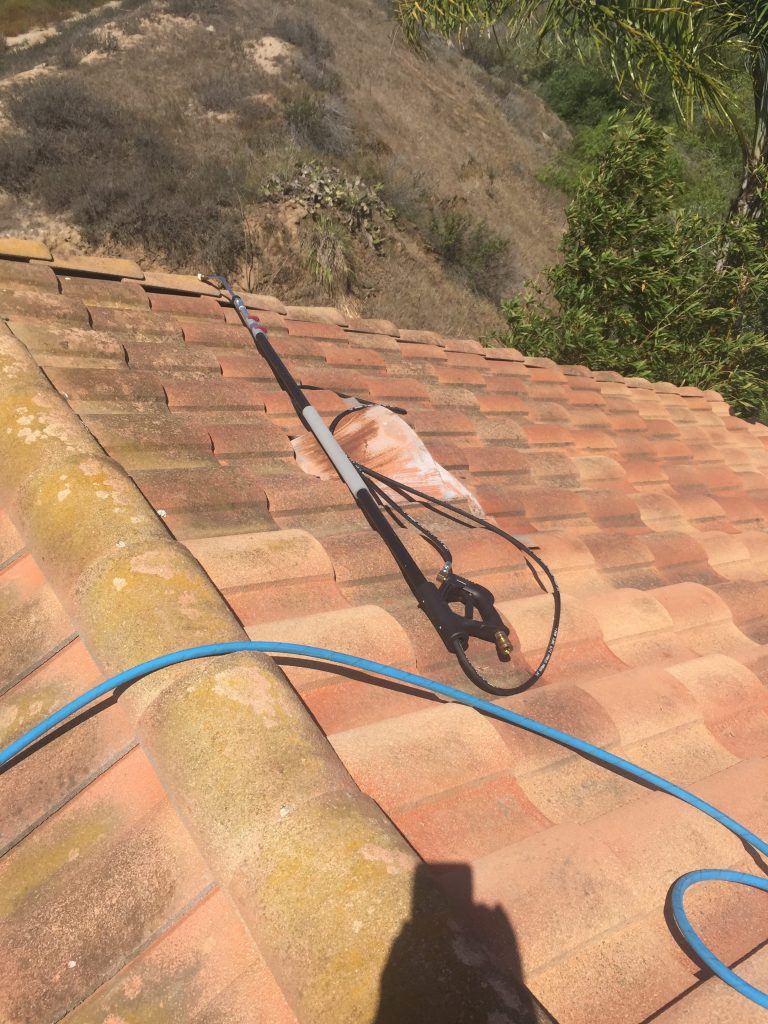
Roofs are particularly vulnerable to pressure damage. The high force of pressure washing can loosen shingles, strip protective granules, and cause leaks. That’s why soft washing is the only recommended method for roof cleaning.
Soft washing effectively removes black streaks (Gloeocapsa magma)—a type of bacteria that feeds on roof materials—without damaging the surface. The cleaning agents used in soft washing destroy these organisms at their core, restoring the roof’s appearance and extending its lifespan.
When to Choose Pressure Washing
Pressure washing is best reserved for hard, durable surfaces that can handle high-pressure water jets. Use it when you need to:
- Deep clean concrete or pavers
- Remove stubborn oil or rust stains
- Prepare exterior surfaces for painting or refinishing
- Restore heavily soiled driveways or commercial walkways
It’s an efficient choice for homeowners and business owners looking for a fast, thorough clean on resilient materials.
When to Choose Soft Washing
Soft washing is ideal when the surface is delicate, painted, or porous. Opt for soft washing when:
- Cleaning exterior siding (vinyl, wood, stucco)
- Washing a roof
- Maintaining decks or patios with sealant
- Sanitizing outdoor living spaces
Because it cleans and disinfects simultaneously, soft washing also helps reduce allergens and bacteria, improving the overall health of your outdoor environment.
The Cost Factor: Soft Wash vs. Pressure Wash
While pricing varies based on the surface area and type of cleaning required, soft washing typically costs slightly more than pressure washing due to the specialized cleaning solutions used. However, the investment pays off by keeping surfaces clean for longer and preventing costly damage or premature repainting.
At Stanley Window Care, we provide transparent pricing tailored to your specific property and cleaning needs. Our trained technicians evaluate your surfaces before recommending the most efficient and cost-effective method.
Professional Equipment Matters
Both methods require professional-grade equipment and expertise to achieve safe and effective results. At Stanley Window Care, we use state-of-the-art soft washing and pressure washing systems designed to protect your property while delivering superior cleanliness.
Our technicians are trained to adjust pressure levels, select the right detergents, and ensure every surface is cleaned using the safest and most efficient approach.
Benefits of Hiring Professionals for Exterior Cleaning
Attempting DIY exterior cleaning can lead to property damage or personal injury. Hiring experts ensures:
- Proper use of equipment and pressure settings
- Safe application of cleaning agents
- Even and streak-free results
- Enhanced longevity of siding, paint, and roofing materials
- Time and cost savings in the long run
At Stanley Window Care, we combine experience, precision, and environmentally conscious products to keep your home looking pristine all year long.
Soft Washing and Pressure Washing: A Combined Strategy
In many cases, the best results come from combining both methods strategically. For example:
- Use pressure washing on driveways and walkways.
- Use soft washing on roofs, siding, and fences.
This integrated approach ensures that every part of your property is cleaned using the most appropriate and safe method.
Final Thoughts: Choosing the Right Method for Your Home
The difference between soft washing and pressure washing lies in more than just water pressure—it’s about matching the right technique to the right surface. Soft washing offers a gentle, lasting clean for delicate materials, while pressure washing delivers deep cleaning power for hard surfaces.
At Stanley Window Care, we take the guesswork out of exterior cleaning. Our experts assess your property’s specific needs to deliver results that enhance beauty, extend longevity, and protect your investment.
If you’re unsure which method your home needs, let us help. We’ll provide a professional evaluation and create a cleaning plan tailored to your property.
Contact Stanley Window Care Today
Experience the difference that professional expertise makes.
???? Call Stanley Window Care today for a free quote and discover how our soft washing and pressure washing services can transform your property safely and effectively.
Stanley Window Care — Family-Owned, Trusted, and Serving Orange County with Excellence for Over 20 Years.