How Can I Keep My Windows Cleaner Longer?
Featured Answer: How Can I Keep My Windows Cleaner Longer?
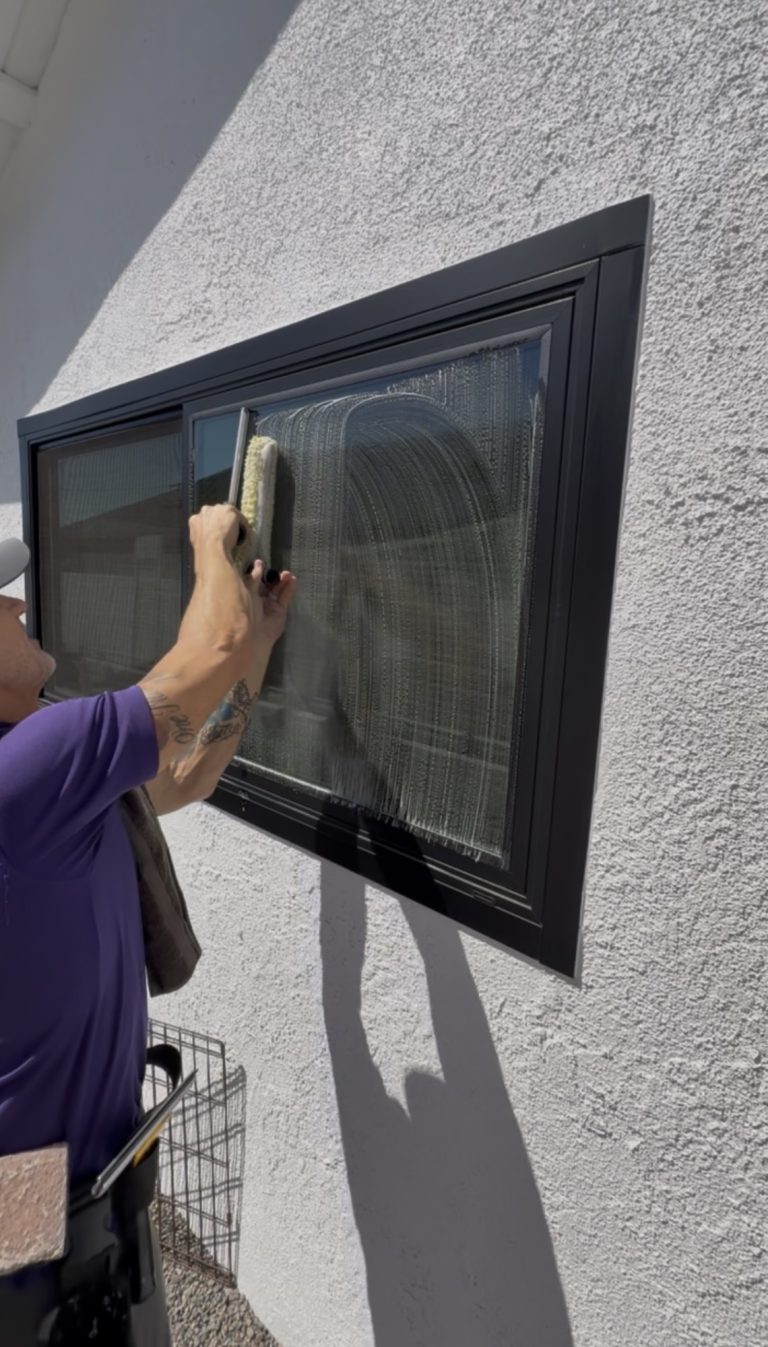
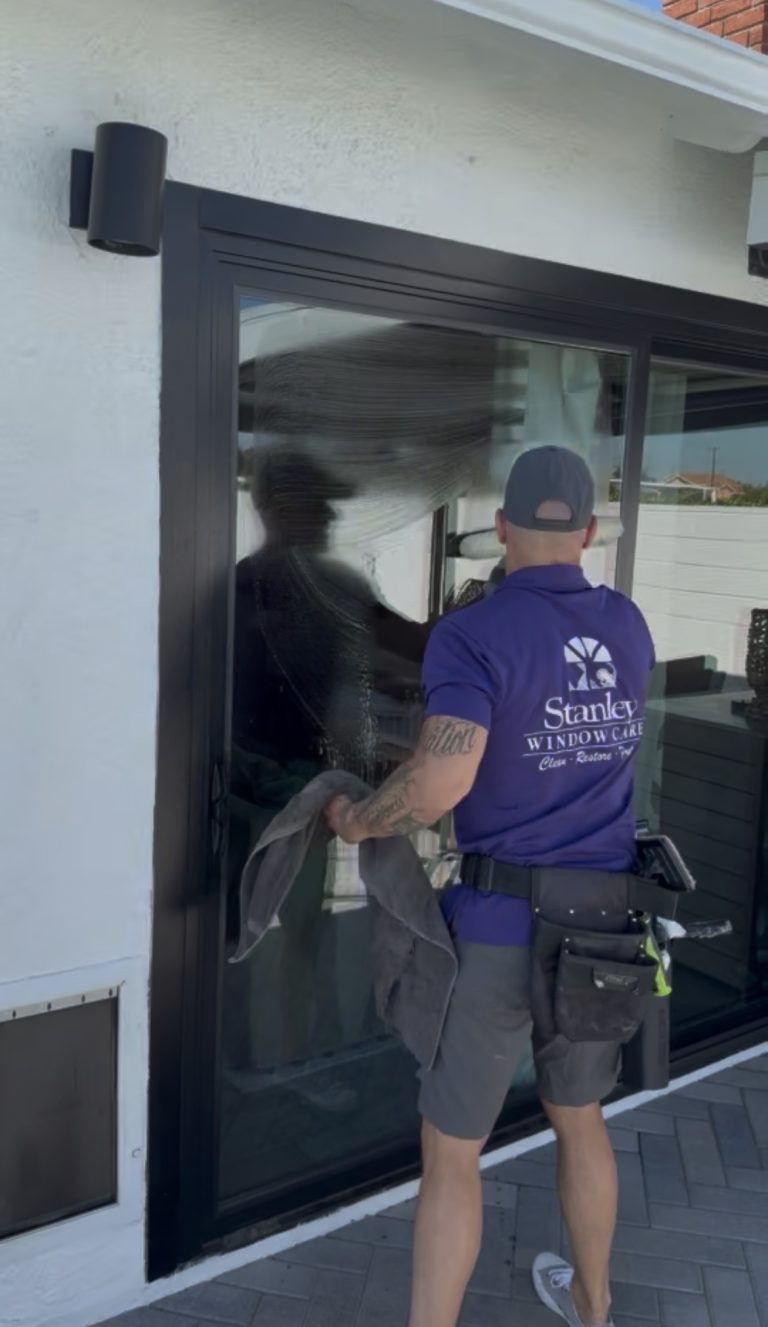
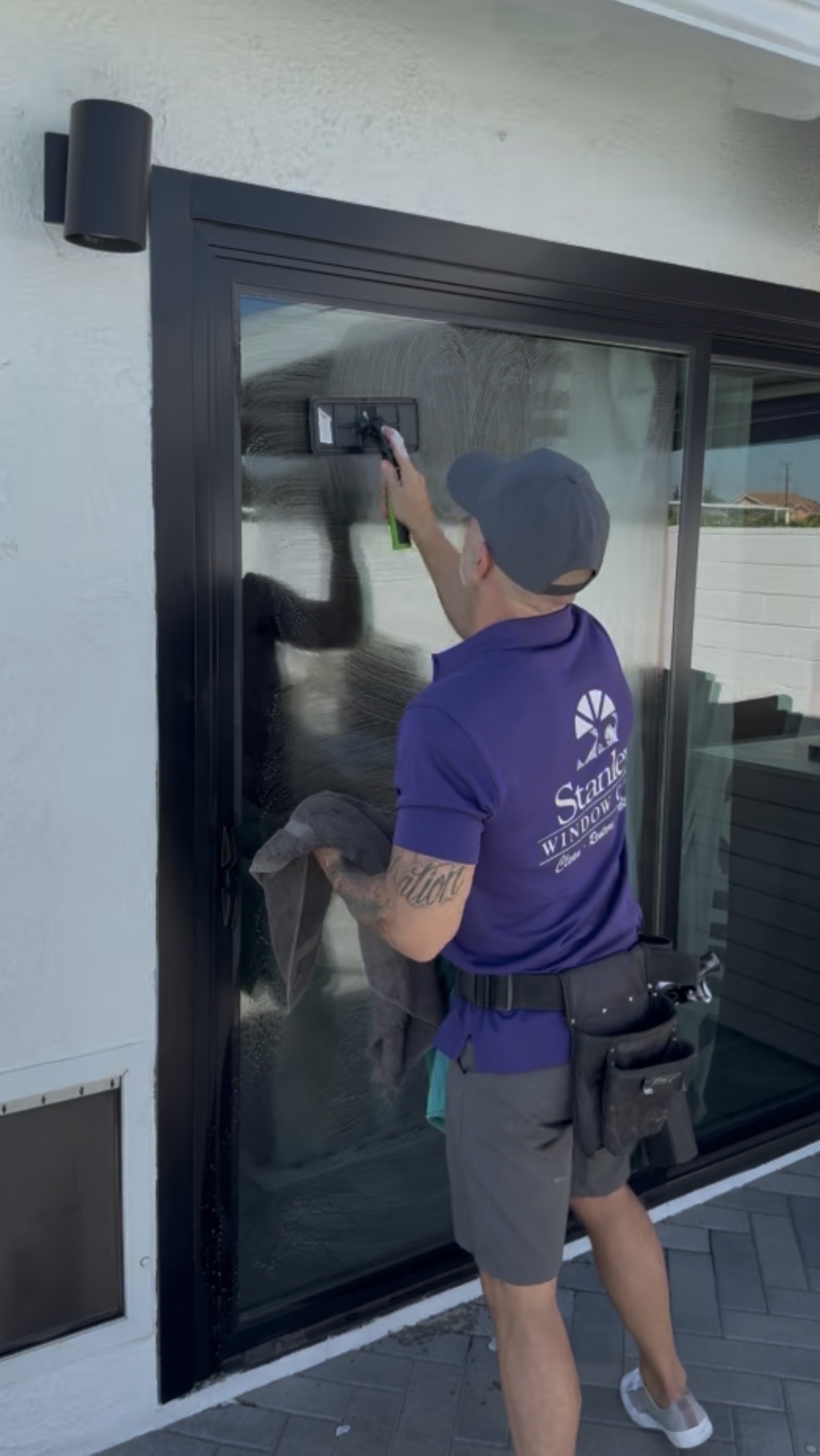
To keep your windows cleaner longer, we recommend starting with a thorough professional cleaning that removes dirt, mineral residue, fingerprints, pollen, dust, and buildup from both the glass and surrounding areas. Keeping window screens, tracks, frames, and sills clean, reducing sprinkler overspray, addressing hard water deposits early, and maintaining nearby landscaping can significantly reduce how quickly windows become dirty again. At Stanley Window Care, we provide professional window cleaning throughout South Orange County with attention to the entire window area—not simply the visible surface of the glass.
Clean windows can transform the appearance of a home. They allow more natural light inside, improve views, and give both the interior and exterior of the property a noticeably cleaner appearance. The challenge is keeping freshly cleaned glass looking that way.
Fortunately, there are several practical ways homeowners can extend the time between professional window cleanings.
1. Keep Window Screens Clean
One of the most overlooked causes of dirty windows is the screen sitting directly in front of the glass.
Window screens continuously collect dust, pollen, dirt, insects, airborne debris, and outdoor contaminants. When wind or moisture passes through a dirty screen, some of that material can be transferred to the glass.
This is especially noticeable after light rain or morning moisture. Instead of the water contacting only clean surfaces, it can carry accumulated material from the screen onto the window.
We recommend cleaning screens as part of a comprehensive window maintenance routine. Simply cleaning the glass while leaving heavily soiled screens in place can shorten the amount of time the finished window looks its best.
Clean screens also help maintain the overall appearance of the window because homeowners are viewing the glass through a cleaner surface.
2. Clean Window Tracks, Frames, and Sills
Professional-looking windows involve much more than glass.
Tracks, frames, and sills are common collection points for dirt. Dust can accumulate in corners, insects can become trapped in tracks, and outdoor debris can settle along exterior frames.
When these areas become heavily soiled, wind and water can redistribute that dirt onto recently cleaned glass.
At Stanley Window Care, we understand the importance of paying attention to the areas surrounding the glass. Maintaining these components helps the entire window look cleaner and can reduce the amount of loose debris available to migrate back onto the glass.
Between professional services, homeowners can periodically remove loose debris from accessible tracks and wipe down interior sills before substantial buildup develops.
3. Keep Sprinkler Water Away From Windows
If there is one issue Orange County homeowners should pay particularly close attention to, it is sprinkler overspray.
Sprinklers that repeatedly spray windows can leave mineral deposits behind as the water evaporates. Over time, those deposits can develop into the cloudy, spotted appearance commonly associated with hard water stains on glass.
Adjust sprinkler heads so water is directed toward lawns and landscaping rather than windows, sliding glass doors, fences, walls, or other exterior surfaces.
Even a small amount of recurring overspray can become significant because the process happens repeatedly:
Water reaches the window, droplets remain on the glass, the water evaporates, minerals remain behind, and another sprinkler cycle adds another layer.
Correcting the sprinkler direction helps protect freshly cleaned windows and can reduce recurring mineral buildup.
4. Address Hard Water Stains Before They Become Severe
Ordinary surface dirt and hard water deposits are not necessarily the same problem.
Routine window cleaning is designed to remove common contaminants from the glass. Mineral deposits that have accumulated over extended periods can require specialized glass restoration or hard water stain removal.
This is another reason preventative maintenance matters.
If you notice white spots, cloudy areas, mineral rings, or deposits that do not disappear with ordinary cleaning, do not simply allow them to continue accumulating.
At Stanley Window Care, we provide glass restoration services in Orange County for windows affected by hard water and mineral buildup. Addressing the problem and correcting its source can help restore the appearance of the glass and prevent the same condition from immediately returning.
5. Maintain Landscaping Around Your Windows
Beautiful landscaping can also contribute to dirty windows when plants are positioned too close to the house.
Bushes, trees, vines, and other vegetation can deposit pollen, leaves, dust, organic material, and moisture around windows. Branches that touch the building can also make it easier for debris to collect near the glass.
We recommend maintaining reasonable clearance between landscaping and exterior windows whenever possible.
Trimming plants also makes exterior windows easier to access during professional cleaning and prevents branches from constantly brushing against screens and frames.
Properties surrounded by mature trees or dense landscaping may naturally require window cleaning more frequently than homes with limited vegetation.
6. Reduce Exterior Dust and Debris Around the Home
Sometimes the window itself is only part of the problem.
Dirty siding, dusty patios, heavily soiled walkways, neglected exterior surfaces, and accumulated debris around the house can all contribute to airborne dirt.
When wind moves through the property, loose material can eventually settle on windows.
Maintaining the surrounding exterior can therefore complement professional window cleaning. Exterior house washing and pressure washing, when appropriate for the particular surface, can remove accumulated grime from areas surrounding the windows.
Stanley Window Care provides multiple exterior cleaning services, allowing homeowners to address the broader environment rather than repeatedly cleaning one surface while nearby areas remain heavily soiled.
7. Avoid Touching the Glass Whenever Possible
Interior windows often become dirty for an entirely different reason: hands.
Fingerprints, handprints, and smudges are especially common on:
- Sliding glass doors
- Patio doors
- Low windows
- Entryway glass
- Windows near furniture
- Glass frequently touched by children or pets
Using handles instead of pushing directly against the glass can make a surprisingly noticeable difference.
Sliding doors are particularly susceptible because people often place a hand on the glass while opening or closing them. Encouraging everyone in the household to use the door handle helps prevent recurring fingerprints.
8. Control Indoor Dust
Not all window dirt comes from outdoors.
Indoor dust gradually settles on glass, frames, blinds, shutters, and window sills. Ceiling fans, HVAC systems, pets, open doors, and everyday household activity can keep fine particles circulating through the home.
Regular dusting and vacuuming can reduce the amount of material eventually settling around windows.
Pay particular attention to blinds, shutters, curtains, and window coverings. Dust sitting immediately beside the glass can easily transfer to nearby surfaces.
Keeping the entire window area clean creates a better environment for maintaining professionally cleaned glass.
9. Do Not Forget About Coastal Conditions
South Orange County presents its own window-cleaning challenges.
Homes near the coast may experience conditions different from properties farther inland. Ocean air, salt residue, moisture, wind, and airborne particles can contribute to buildup on exterior glass.
Properties in areas such as Dana Point, Laguna Beach, Newport Beach, Newport Coast, Corona del Mar, and San Clemente may require a cleaning schedule that reflects their exposure.
A home positioned close to the ocean with exposed windows may need more frequent attention than a protected inland property.
There is no universal schedule that works for every home. Location and exposure matter.
10. Consider Which Direction Your Windows Face
Even windows on the same property can become dirty at different rates.
One side of a house may receive stronger wind, more direct sprinkler exposure, greater landscaping contact, or more airborne dust than another.
Windows facing a busy street can also accumulate contaminants differently from windows facing a protected backyard.
We recommend paying attention to which windows consistently become dirty first. This can help identify the underlying source.
If the same group of windows develops spots shortly after every cleaning, there may be a correctable environmental cause such as sprinkler overspray, irrigation runoff, landscaping, or concentrated dust exposure.
11. Keep Gutters, Rooflines, and Exterior Surfaces Maintained
Water traveling across dirty exterior surfaces can carry contaminants with it.
During wet weather, material from rooflines, walls, ledges, and other surfaces can move downward and collect around windows.
Maintaining the home’s exterior reduces the amount of accumulated debris surrounding the glass.
Stanley Window Care offers complementary exterior services including house washing, pressure washing, roof soft washing, solar panel cleaning, and awning cleaning. Combining exterior maintenance strategically can help homeowners maintain a cleaner overall property.
12. Be Careful With DIY Window Cleaning Products
Using more cleaning solution does not automatically produce cleaner glass.
Excess product can leave a film behind, and that residue may make the window look streaky or attract contaminants.
The same problem can occur when dirty towels, heavily saturated cloths, or unsuitable cleaning materials are repeatedly wiped across the glass.
When performing minor touchups between professional cleanings, use clean materials and avoid coating the window with unnecessary amounts of product.
For extensive exterior cleaning, high windows, large panes, or heavily soiled glass, professional cleaning is generally the more practical approach.
13. Do Not Wait Until Windows Are Extremely Dirty
Preventative maintenance is generally easier than dealing with years of accumulated buildup.
When dirt, mineral deposits, environmental contaminants, and debris remain on glass for extended periods, restoring the desired appearance can become more involved.
A consistent professional window cleaning schedule prevents windows from reaching that condition.
The appropriate frequency depends on factors such as the home’s location, nearby landscaping, sprinkler exposure, coastal conditions, construction activity, traffic, and the homeowner’s expectations.
Some properties simply require more frequent service than others.
14. Schedule Window Cleaning After Dust-Producing Projects
Timing can make a major difference.
If you are planning landscaping, exterior construction, remodeling, painting, roof work, or another project likely to produce substantial dust and debris, consider scheduling your final window cleaning after the work has been completed.
Otherwise, newly cleaned windows may immediately be exposed to construction dust.
Stanley Window Care also provides construction clean-up services, which can be particularly valuable when glass and surrounding areas need specialized attention after property improvements.
15. Protect Windows From Hard Water at the Source
When windows repeatedly develop spots, cleaning the glass addresses the result—but identifying the water source addresses the recurring problem.
Check for:
Misaligned sprinkler heads: Adjust them so they do not spray the house.
Broken irrigation components: Replace damaged heads that spray unpredictably.
Water runoff: Determine whether water is repeatedly flowing or splashing toward windows.
Regular hose use: Avoid allowing water to dry naturally across large areas of glass.
Preventing mineral-rich water from repeatedly drying on windows is one of the most effective ways to reduce stubborn spotting.
How Often Should You Have Your Windows Professionally Cleaned?
There is no single answer for every South Orange County home.
A property with protected windows and minimal landscaping may stay presentable considerably longer than a coastal home exposed to wind and salt residue. A house with sprinklers positioned close to the building may also develop spots much faster.
We recommend establishing a schedule based on actual property conditions rather than waiting until the windows become visibly neglected.
Regular maintenance helps keep dirt, screens, tracks, frames, and glass manageable while maintaining a consistently clean appearance.
Does Rain Make Professionally Cleaned Windows Dirty?
Rain itself is not always the primary reason windows look dirty afterward.
Problems become more noticeable when rain interacts with dusty screens, dirty frames, pollen, exterior debris, and existing residue. Water can redistribute those contaminants and leave visible marks as the window dries.
Starting with properly cleaned glass and maintaining the surrounding components gives the window a better chance of remaining attractive through changing weather.
Stanley Window Care also stands behind our professional service with a 7-day rain warranty, providing additional peace of mind when weather changes shortly after your appointment.
Why Professional Window Cleaning Lasts Longer Than a Quick Wipe-Down
There is an important difference between removing a visible fingerprint and thoroughly cleaning a window.
A quick DIY cleaning may improve the center of the glass while leaving dirt around edges, screens, tracks, frames, and other areas. Those contaminants can quickly make the window look dirty again.
Professional window cleaning provides a more complete approach.
At Stanley Window Care, we focus on delivering detailed service for South Orange County homeowners. Our family-owned company has served the area since 1997, and we understand the conditions that affect local properties—from coastal exposure to hard water and everyday outdoor buildup.
Professional Window Cleaning in South Orange County
Keeping windows cleaner longer starts with excellent cleaning, but it continues with smart maintenance.
We recommend homeowners focus on the areas that cause windows to become dirty again: screens, tracks, sprinkler systems, landscaping, hard water, exterior dust, fingerprints, and environmental exposure.
Small preventative measures can make a meaningful difference.
Keep sprinklers pointed away from the house. Maintain screens and tracks. Trim vegetation around windows. Address hard water deposits before they become severe. Reduce exterior dirt around the property. Avoid unnecessary contact with the glass. Most importantly, maintain a professional cleaning schedule appropriate for your home.
At Stanley Window Care, we have been serving South Orange County homeowners since 1997. Our family-owned company provides professional residential and commercial window cleaning along with glass restoration, pressure washing, exterior house washing, roof soft washing, solar panel cleaning, and additional exterior cleaning services.
We arrive in uniform, respect our customers’ homes, and use shoe booties when working inside. Our owners remain directly involved in the work, and our service is backed by a 7-day rain warranty and next-day follow-up.
For homeowners who want cleaner, brighter windows without constantly battling streaks, spots, dust, and buildup, professional maintenance combined with preventative care provides the best long-term approach.
Frequently Asked Questions About Keeping Windows Clean
What Makes Windows Get Dirty So Quickly?
Windows can become dirty from dust, pollen, sprinkler overspray, fingerprints, dirty screens, landscaping, coastal residue, insects, construction activity, and airborne contaminants. Identifying the main source on your property can help you keep the glass cleaner longer.
Do Dirty Screens Make Windows Dirty?
Yes. Screens can accumulate significant amounts of dust, pollen, and outdoor debris. Moisture and wind can move some of this material toward the glass, which is why screen maintenance is an important part of keeping windows clean.
How Do I Prevent Hard Water Spots on My Windows?
The most important step is preventing mineral-rich water from repeatedly drying on the glass. Adjust sprinklers away from windows, repair damaged irrigation heads, and avoid routinely spraying windows with a hose and allowing the water to air-dry.
Can Old Hard Water Stains Be Removed From Glass?
Many mineral deposits can be addressed through professional hard water stain removal and glass restoration, although the appropriate method depends on the severity and condition of the glass. Stanley Window Care provides glass restoration services for South Orange County properties.
Should Window Tracks Be Cleaned Too?
Yes. Tracks collect dirt, insects, dust, and debris. Maintaining tracks and surrounding window components improves the overall appearance of the window and reduces loose contaminants near freshly cleaned glass.
How Can I Keep Sliding Glass Doors Free of Fingerprints?
Use the handle rather than placing your hand directly against the glass when opening or closing the door. Regularly wiping the handle and surrounding frame can also reduce accidental transfer of oils and dirt to the glass.
Do Coastal Homes Need More Frequent Window Cleaning?
They can. Homes exposed to ocean air, salt residue, wind, moisture, and airborne particles may experience faster exterior buildup. The ideal cleaning frequency should be based on the property’s specific exposure and how quickly the windows become visibly dirty.
What Is the Best Way to Keep Professionally Cleaned Windows Looking Good?
Keep screens, tracks, frames, and sills clean; prevent sprinkler overspray; maintain nearby landscaping; minimize fingerprints; control indoor dust; and address hard water deposits early. Combining these habits with scheduled professional window cleaning can help your windows maintain their clear, polished appearance for longer.